Bike Rental Apps in Barcelona

Cycling is part of everyday life in Barcelona. With a growing network of bike lanes and a flat city layout, getting around by bike is easy for both locals and visitors.
In recent years, bike rental in Barcelona has shifted strongly towards app-based and shared bike systems. Instead of visiting a traditional rental shop, many people now use their phone to locate, unlock and return a bike anywhere within the city. These systems are designed for short, flexible rides and are widely available across central neighbourhoods.
On this page, you’ll find a clear overview of bike rental apps in Barcelona: how they work, what to expect in terms of pricing, and which shared bike services are currently active in the city.
If you’re interested in Barcelona’s cycling culture and infrastructure in general, you can also read more in our article Is it safe to cycle in Barcelona?
Table of Contents: Bike Rental Apps in Barcelona
How much does app-based bike rental cost in Barcelona?
Bike rental apps in Barcelona work differently from traditional rental shops. Instead of fixed day rates, pricing is usage-based. You pay for the time you actually ride, usually calculated per minute or per short time block.
Most bike rental apps in Barcelona follow a similar structure:
A small unlock fee or start fee
A per-minute rate while riding
Optional passes or bundles for frequent use
For short city rides, this system is often practical and affordable, especially if you plan to cycle for short distances or combine cycling with walking or public transport.
Exact prices depend on the provider and bike type (regular or electric). Rates are always visible in the app before you start a ride, so you can decide upfront whether it suits your plans.
Two ways to rent a bike in Barcelona
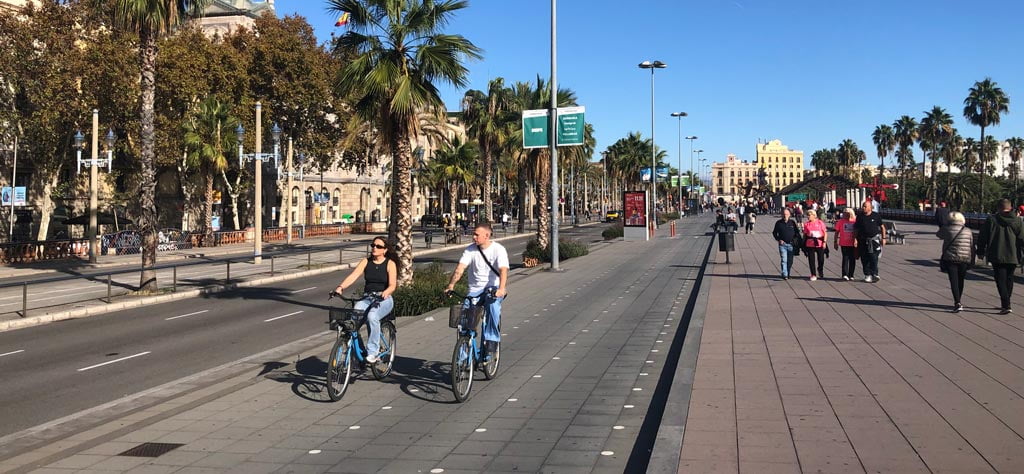
When it comes to renting a bike in Barcelona, there are broadly two different approaches.
The first option is app-based bike rental. This is the most flexible choice for short rides and spontaneous trips. Bikes are spread across the city, unlocked with your phone, and returned anywhere within the service zone. This page focuses specifically on how these app systems work and what to expect when using them.
The second option is picking up a bike from a fixed location, usually for longer use or multiple days. This works differently in terms of pricing, conditions and availability, and suits a different type of visitor.
To keep things clear and avoid confusion, this article stays focused on app-based bike rental. If you’re looking for a simple overview of other rental options, you’ll find that explained separately.
The process is simple:
- download the app
- enter your details
- search for an available
- bicycle in your area
- scan the QR code
- start your ride through the picturesque streets of the city.
Before you can set off with your bike, you must add a payment method to your account: a credit card, Google Pay or Apple Pay. The costs for individual rides depend on the duration of your ride. You can view the rates by clicking on the desired vehicle on the map in the app. Always make sure that your phone is charged, otherwise you will not be able to log out at the end of the ride.
Bike rental apps in Barcelona

In Barcelona, several bike rental apps let you unlock a bike or e-bike straight from your phone, without going to a rental shop. These systems are mainly useful for short, flexible rides, and pricing is usually based on usage time.
Some of the best-known app-based options in Barcelona include:
Donkey Republic – RideMovi – Bolt – Cooltra – Bicing
Each app works slightly differently, but the basic steps are similar: open the app, find a bike on the map, unlock it via your phone, and pay in the app.
Donkey Republic
Donkey Republic was an early player in app-based bike rental. It’s a reliable option in Barcelona with a user-friendly app and a wide selection of bikes. The e-bikes are well maintained and include a built-in security system.
RideMovi
RideMovi stands out for its modern e-bikes designed for urban mobility. The bikes are high quality and designed for a safe, comfortable ride. They include a security system with an intelligent lock and an integrated anti-theft alarm.
Bolt
Bolt is known for a simple app experience and a reliable service. The e-bikes are well maintained and suitable for city riding. They also use an intelligent lock and a built-in security system.
Bicing (SMOU)
Bicing — also known as the red bikes in Barcelona — is mainly intended as a supplement to public transport, not for tourist or recreational use.
Where to park your bike in Barcelona?
When renting a bike in Barcelona, it’s important to park it only in designated bicycle parking areas or official bike racks. Attaching bicycles to street furniture, trees, traffic lights, or railings is not allowed and can result in a fine.
The city has many clearly marked bike racks, especially near main streets, public transport hubs, and popular neighbourhoods. Using these designated spots helps avoid penalties and keeps public spaces accessible.
With rental bikes, correct parking is even more important. Rental bicycles usually carry a registration number, which means that if a bike is parked incorrectly, the rental company can identify the last user. Any fine issued by the city may then be forwarded to the renter.
Is it safe to park your bike on the street in Barcelona?
Parking a bike on the street in Barcelona can be safe, but it depends heavily on location and security. Busy, well-lit areas with official bike racks are generally safer than quiet side streets.
It’s strongly recommended to:
Use official bike racks or bicycle sheds
Always lock the bike properly
Avoid leaving bikes unattended for long periods in isolated areas
Most rental bikes come with a solid built-in lock, which should always be used, even for short stops.
Neighbourhoods that are easy to explore by bike
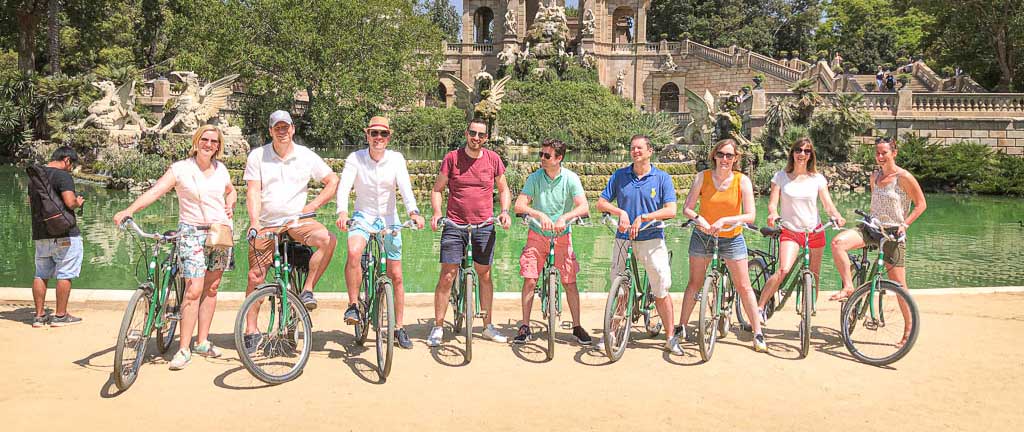
Barcelona is a compact city with many neighbourhoods that are well suited for cycling. Depending on where you stay, it can be convenient to start your ride close to your accommodation. Below are some areas where bike rentals — both shops and app-based options — are commonly found, and where cycling is generally comfortable.
Barceloneta
Barceloneta is ideal for cycling along the coast. The area has wide bike paths, flat terrain, and direct access to the seafront promenade. Renting a bike here makes it easy to follow the coastline or head towards the city centre without dealing with heavy traffic.
Eixample
Eixample is known for its wide streets, grid layout, and modernist architecture. The neighbourhood offers plenty of space for cyclists and is well connected by bike lanes. It’s a pleasant area to ride through while passing landmarks such as Casa Batlló and La Pedrera.
El Born & Gothic Quarter
El Born and the surrounding historic centre are rich in culture, small squares, and narrow streets. While some areas are less suitable for cycling due to pedestrian zones, it’s still a good starting point for short rides toward the waterfront or nearby districts. Extra care is advised when navigating busy or car-free streets.
Around Las Ramblas
Las Ramblas is centrally located and close to many major sights. Cycling itself is limited in this area due to crowds, but it can be a practical starting point to reach nearby neighbourhoods. From here, riders can quickly access bike lanes leading toward the harbour or Eixample.
Conclusion
Whether you explore independently or follow a route that brings together the city’s most characteristic areas in a logical loop, cycling remains one of the most comfortable and enjoyable ways to discover Barcelona.

I’ve lived in Barcelona for more than two decades and enjoy sharing tips and insights based on real experience and reliable local knowledge.

Recent Posts